
What Are the Nutritional Benefits of Peanuts?
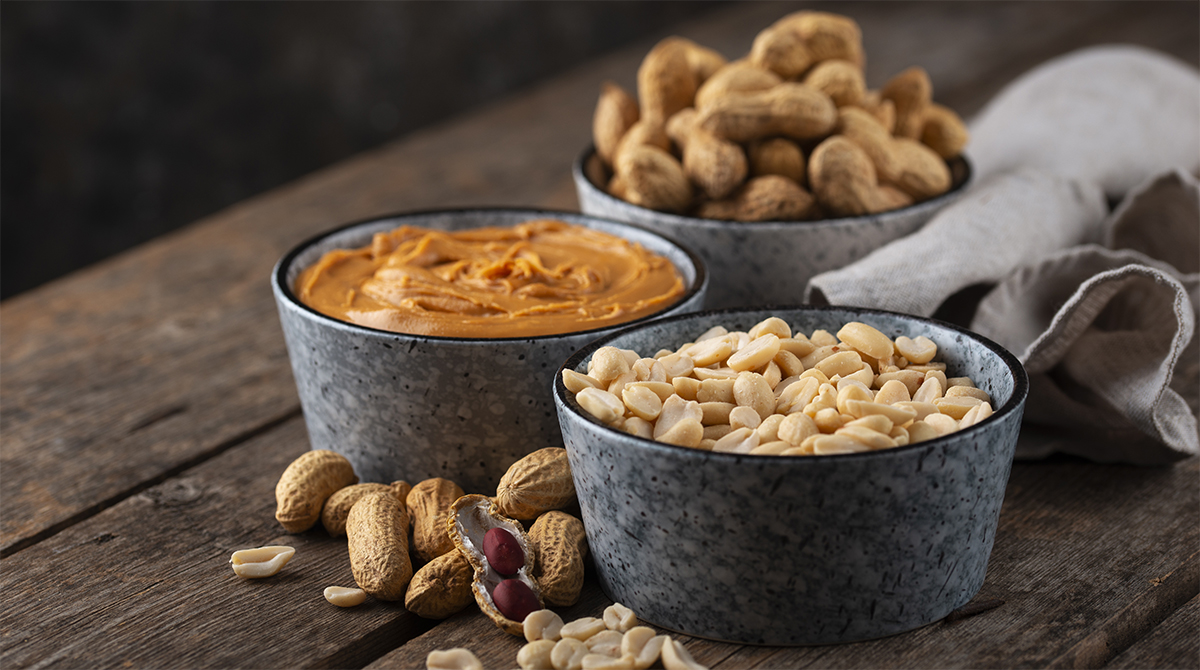
Peanuts are a common food ingredient rich in plant-based protein, unsaturated fatty acids, dietary fiber, vitamins, and minerals. In addition to being eaten directly, peanuts can be processed through roasting, frying, seasoning, and oil extraction to create a wide variety of peanut products with different flavors and applications.
However, the nutritional value and final product quality of peanuts depend not only on the raw materials but also on drying conditions, processing methods, and storage environments. This article explores the nutritional content, health benefits, and common processing methods of peanuts, along with key considerations for maintaining quality throughout the production process.
FAQ
Q1 What Are the Main Nutrients Found in Peanuts?
Peanuts are nutrient-dense foods rich in plant-based protein, unsaturated fatty acids, vitamins, and minerals. Their main nutritional components include:
1. Plant-Based Protein: Peanuts are a good source of plant-based protein, making them a valuable addition to daily protein intake.
2. Unsaturated Fatty Acids: Most of the fat in peanuts consists of unsaturated fatty acids, such as oleic acid and linoleic acid, which are key nutritional components.
3. Dietary Fiber: Peanuts contain dietary fiber, which helps contribute to daily fiber intake.
4. Vitamins: Peanuts provide vitamin E and B vitamins, including niacin and folate.
5. Minerals: Peanuts contain essential minerals such as magnesium, phosphorus, and potassium.
The nutritional composition of peanuts may vary depending on the variety, raw material quality, and processing methods. As a result, different peanut products may have different nutrient levels.
For more detailed nutritional information, refer to the Taiwan Food Composition Database provided by the Taiwan Food and Drug Administration (TFDA) and the USDA FoodData Central database.
Q2 What Are the Health Benefits of Peanuts?
Peanuts are not only a popular snack but also a nutritious addition to a balanced diet. When consumed in moderation, peanuts may offer several health benefits:
1. Support Heart Health: Peanuts are rich in unsaturated fatty acids. Replacing some foods high in saturated fat with peanuts can help improve the overall fat composition of the diet and support cardiovascular health.
2. Promote Satiety: Peanuts contain protein, fat, and dietary fiber, which can help increase feelings of fullness, making them a satisfying snack option.
3. Support a Balanced Diet: Peanuts provide a variety of essential nutrients. Including them alongside whole grains, vegetables, fruits, and other protein sources can help improve dietary diversity.
4. Support Digestive Health: The dietary fiber in peanuts helps promote regular bowel movements and supports normal digestive function, especially when combined with adequate water intake and a balanced diet.
However, peanuts are relatively high in calories, so portion control is important. It is recommended to consume them in moderation based on individual dietary needs.
Q3 What Is the Difference Between Seasoned and Unseasoned Peanuts?
The main difference between seasoned and unseasoned peanuts is whether additional ingredients, such as salt, sugar, oil, or other seasonings, are added during processing.
Unseasoned peanuts are typically processed through roasting or similar methods without adding extra seasonings, preserving their natural aroma and flavor.
Seasoned peanuts can be produced through frying, roasting, and seasoning processes, using salt, sugar, spices, or other ingredients to create a variety of snack flavors. Depending on production requirements, food manufacturers can also use rotary seasoning drums, vibration powder sprinkler, or liquid sprayer machineto improve seasoning uniformity and production efficiency.
Seasoned peanuts are not necessarily less nutritious than unseasoned peanuts. However, added sugar, sodium, and fats may affect their overall nutritional composition. Consumers should check nutrition labels when choosing products that meet their dietary needs.
Q4 What Are the Common Peanut Processing Methods?
From harvesting to finished food products, peanuts typically undergo several processing stages, including drying, shelling, sorting, processing, and packaging. The actual process may vary depending on the product type and production requirements.
If freshly harvested peanuts have a high moisture content, proper drying is essential to reduce the risk of mold growth and maintain storage stability. Subsequent steps, such as shelling, air separation, screening, magnetic separation, and grading, help remove foreign materials and defective peanuts, ensuring consistent raw material quality.
After initial preparation, peanuts can be processed through roasting, frying, seasoning, grinding, or oil extraction to produce a variety of products, including roasted peanuts, fried peanuts, seasoned peanuts, peanut butter, and peanut oil. Once processing is complete, the products typically undergo appropriate cooling, packaging, and quality inspection before storage and distribution.
Q5 Why Is Drying Important in Peanut Processing?
Drying is an essential step in post-harvest peanut processing, especially for peanuts in shells and raw materials with high moisture content. Proper drying conditions help reduce the risk of mold growth during storage while maintaining stable raw material quality for further processing.
Peanut drying involves more than simply reducing moisture content. Several key factors should also be considered:
1. Ensure Uniform Drying: Minimize moisture differences between batches or within the product load to maintain consistent quality during storage and processing.
2. Reduce Raw Material Damage: Properly control drying temperature and drying rate to minimize cracking or damage to peanut kernels and shells.
3. Maintain Raw Material Quality: Avoid excessive drying or improper heating that may affect the appearance, flavor, and processing characteristics of peanuts.
When planning a peanut drying process, food manufacturers should evaluate suitable drying conditions and equipment based on the initial moisture content, processing capacity, and target product quality. Actual material testing is also recommended to verify drying performance.
In addition, certain molds can produce aflatoxins under favorable conditions. According to the Taiwan Food and Drug Administration (TFDA), aflatoxins are highly heat-resistant, and conventional drying cannot reliably eliminate toxins that have already formed. Therefore, raw materials with potential contamination risks must undergo appropriate testing and quality control in accordance with food safety regulations.
Q6 What Are the Key Considerations in Peanut Frying?
Peanut frying requires careful control of raw material moisture content, frying temperature and time, de-oiling, cooling, and frying oil quality. Peanuts of different sizes, moisture levels, and product specifications require suitable frying conditions to achieve consistent color, aroma, and crispy texture. After frying, proper de-oiling and cooling help reduce residual surface oil and maintain product quality for further processing and packaging.
In addition, prolonged frying at high temperatures can accelerate oil deterioration. Therefore, continuous frying machines should not only provide stable oil temperature control but also incorporate appropriate residue removal and oil filtration systems. These systems help prevent food particles from remaining in hot oil and becoming charred, ensuring a more stable and consistent frying process.
Q7 How Should Peanuts Be Stored? What Precautions Should Be Taken When Eating Them?
Peanuts have a relatively high fat content, making them susceptible to oxidation, rancidity, and quality deterioration when exposed to oxygen, high temperatures, and moisture. Therefore, peanuts should be stored in a cool, dry place away from direct sunlight, following the storage instructions on the product label. After opening, they should be properly sealed to maintain freshness and quality.
Another important consideration is the risk of aflatoxin contamination. Peanuts showing signs of mold, musty odors, or noticeable spoilage should not be consumed. However, aflatoxin contamination cannot always be detected by appearance or smell. Therefore, choosing peanuts from reliable sources that comply with food safety regulations is essential.
When it comes to consumption, peanuts are a common food allergen, and individuals with peanut allergies should avoid peanuts and peanut-containing products while carefully checking food labels. Since peanuts are also relatively high in calories, moderation is recommended. When choosing seasoned peanuts, consumers should check the sugar, sodium, and fat content on nutrition labels to select products that meet their dietary needs.