
The Plant-Based Protein Market: New Opportunities in Food Processing from Plant-Based Meat to High-Protein Snacks | TSHS News and Events | TSUNG HSING FOOD MACHINERY CO., LTD.
TSHS The Plant-Based Protein Market: New Opportunities in Food Processing from Plant-Based Meat to High-Protein Snacks. TSHS is a professional food machine manufacturer. We have exclusive patented heating system. Provided more than 500 frying production around the world. Also offer customized microwave industrial dryer.. We are a professional frying machine manufacturer. And provide customized continuous automatic drying equipment services. Our customer includes the top 10 snack food companies in various countries, central kitchen, other fried food manufacturers, Food Industry/Biotechnology Industry/Chemical Industry/Rubber Industry/Textile Industry. that have a need for the drying system. We have 60 years of professional food equipment manufacturing experience, specialized in food frying production equipment, customized continuous drying systems, extruder equipment, seasoning systems, de-oiling equipment. We provide global installation services, entire factory planning consultation, production knowledge guidance, improve the process problems, and provide after-services of maintaining inspection for equipment. TSHS equipment is always your best choice.
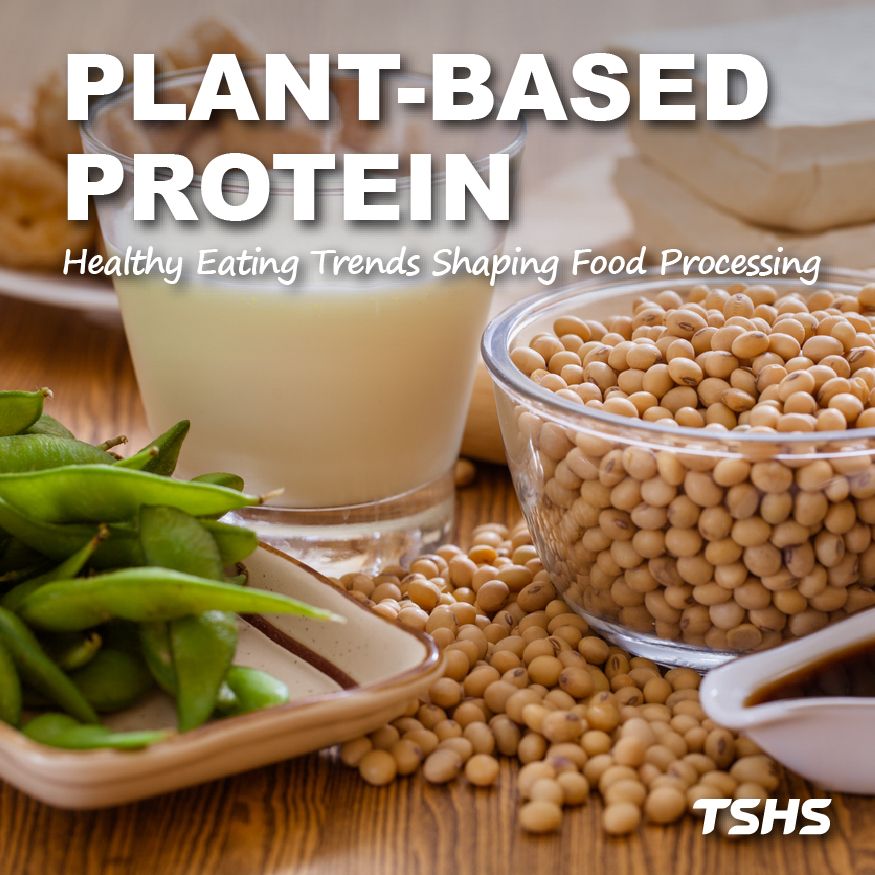
The Plant-Based Protein Market: New Opportunities in Food Processing from Plant-Based Meat to High-Protein Snacks
In recent years, plant-based protein has become one of the fastest-growing segments in the global food industry. Driven by increasing health awareness, sustainability initiatives, and continuous advances in food technology, consumers are seeking more diverse and nutritious protein sources than ever before. While plant-based protein was once primarily associated with meat alternatives, its applications have expanded significantly into plant-based meat, pet food, high-protein snacks, sports nutrition products, and functional foods, creating new opportunities across the food manufacturing sector.
According to market research, the global plant-based protein market is projected to grow from USD 9.7 billion in 2023 to USD 21.2 billion by 2033, demonstrating strong long-term growth potential. For food manufacturers, this trend represents more than just new product opportunities. It also highlights the increasing importance of raw material selection, food processing technology, and efficient production equipment in building a competitive advantage within the rapidly evolving plant-based food market.
Why Is the Plant-Based Protein Market Growing So Rapidly?
The rapid growth of the plant-based protein market is being driven by three key factors: increasing demand for healthy eating, the global focus on sustainability, and the expanding market for high-protein foods. As consumers become more conscious of protein quality and balanced nutrition, many are actively seeking a wider variety of protein sources. At the same time, growing concerns about carbon emissions, resource efficiency, and sustainable food production are encouraging food manufacturers to invest in the development of plant-based food products.
In addition, the rising popularity of high-protein diets, sports nutrition, and functional foods has accelerated the adoption of plant-based protein across a broad range of food applications. What was once considered a niche ingredient for specific dietary preferences has evolved into a mainstream category within the global food industry. This growing demand is also driving innovation in food processing technologies, manufacturing processes, and production equipment, creating new opportunities for food manufacturers worldwide.

What Are the Most Common Plant-Based Protein Ingredients?
The most widely used plant-based protein ingredients in the food industry include soy protein, pea protein, and wheat protein. Each protein source offers unique nutritional characteristics, flavor profiles, and functional properties, allowing food manufacturers to select the most suitable ingredient based on product positioning and processing requirements. Soy protein has long been one of the primary ingredients in plant-based meat products due to its high protein content and excellent texturizing properties. It is widely used in products such as plant-based burgers, nuggets, and meat alternatives.
Pea protein has gained significant popularity in recent years because of its low allergen potential, non-GMO characteristics, and mild flavor. It is now commonly used in the development of plant-based meat products and high-protein foods, meeting the growing demand for clean-label and alternative protein products. Wheat protein (vital wheat gluten) is valued for its elasticity and fibrous structure, making it an important ingredient for improving the texture and chewiness of plant-based meat products.
In addition to these mainstream ingredients, emerging protein sources such as fava bean protein, mung bean protein, and chickpea protein are creating new opportunities for product innovation. As food technology continues to advance, more food manufacturers are adopting blended plant protein formulations to optimize nutritional value, eating quality, and textural performance, enabling the development of more diverse and competitive plant-based food products.

What Are the Applications of Plant-Based Protein?
With continuous advances in food technology, the applications of plant-based protein have expanded far beyond traditional meat alternatives. Today, plant-based meat remains the most established application, with products such as plant-based burgers, nuggets, sausages, meatballs, and fish alternatives becoming increasingly popular in the global food market.
At the same time, high-protein snacks and sports nutrition products have emerged as major growth drivers for the plant-based protein industry. Products such as plant-based protein chips, high-protein biscuits, protein bars, plant-based jerky, and puffed snacks are gaining popularity among health-conscious consumers. Their convenience, ready-to-eat format, and ambient shelf stability align well with modern lifestyles while creating new opportunities for food manufacturers to develop innovative products and enhance food processing technologies.

What Challenges Does Plant-Based Protein Processing Face?
Although the plant-based protein market continues to grow rapidly, manufacturers still face several technical challenges throughout product development and large-scale production. Compared with animal proteins, plant-based proteins have inherent differences in texture, flavor, and processing characteristics, making product development significantly more complex.
One of the biggest challenges is creating the desired texture and mouthfeel. Today's consumers expect plant-based meat products to closely resemble conventional meat, with a realistic fibrous structure, satisfying chewiness, and juicy eating experience. As a result, developing the right protein structure through advanced food processing technologies has become a critical factor in successful product development. Another challenge is the natural flavor of certain plant protein ingredients. Some proteins may carry beany, grain-like, or other characteristic off-flavors that can affect consumer acceptance if not properly managed. Food manufacturers often address this through optimized formulations, seasoning strategies, and processing techniques to improve the overall sensory quality of the final product.
Moisture control is equally important during commercial production. Excessive moisture can reduce shelf life, while insufficient moisture may result in a dry or tough texture, affecting product consistency and consumer satisfaction. To overcome these challenges, food manufacturers must combine carefully selected raw materials with appropriate food processing technologies and production equipment to achieve consistent product quality, efficient manufacturing, and long-term market competitiveness.
How Is the Texture of Plant-Based Meat Created? Key Processing Technologies Explained
Unlike animal muscle, plant-based protein does not naturally possess a fibrous structure. Therefore, a series of food processing technologies is required to develop the texture and structure that consumers expect from plant-based meat products. One of the most important technologies is extrusion. Using a twin-screw extruder, plant proteins are subjected to high temperature, pressure, and mechanical shear, allowing the protein molecules to realign and form a fibrous structure similar to that of muscle tissue. This texturization process is widely used to produce plant-based chicken, plant-based meat slices, plant-based burger patties, and many other meat alternatives with a more realistic texture and bite.
In addition to extrusion, mixing and emulsification also play essential roles in product development. By uniformly blending plant proteins, vegetable oils, water, and other ingredients, manufacturers can improve juiciness, mouthfeel, and overall eating quality, helping plant-based meat products more closely replicate the sensory experience of conventional meat.

How Do Frying, Drying, and Seasoning Equipment Improve the Quality of Plant-Based Protein Products?
Once the formulation and texturization of plant-based protein products have been completed, achieving consistent quality and efficient mass production becomes the next major challenge for food manufacturers. Different product categories require different processing methods, making frying, drying, and seasoning equipment essential for the commercial production of many plant-based foods.
For products such as plant-based chicken, plant-based patties, and high-protein chips, the frying process does more than simply cook the product. It also creates a crispy texture, enhances aroma, and improves the overall eating experience. Because plant-based products require precise oil temperature control, high heating efficiency, and reduced energy consumption, food manufacturers increasingly prioritize frying systems that deliver both product quality and energy efficiency.
To meet these processing requirements, the TSHS FRYIN-402 Continuous Fryer features a proprietary heating system with its unique "Two Highs, Three Savings" design. It offers high heat recovery efficiency and high heat exchange efficiency, while reducing installation space, oil capacity, and energy consumption. These advantages help food manufacturers improve production efficiency while maintaining consistent product quality and lowering operating costs.
Drying equipment is widely used in the production of plant-based jerky, high-protein snacks, and plant-based protein powders. In plant-based protein processing, drying is more than simply removing moisture—it is a critical process that directly affects shelf life, product quality, and storage stability. Proper drying control helps maintain consistent product quality while improving packaging, storage, and transportation efficiency. Seasoning is another key process that significantly influences the flavor profile and market acceptance of plant-based protein products. Proper seasoning formulations and precise application methods help reduce undesirable beany or grain-like flavors while creating a more appealing and distinctive taste profile.
To meet the seasoning requirements of different plant-based food products, the TSHS Seasoning System integrates both powder and liquid seasoning modes. Combined with automated control of drum speed, spray volume, and mixing time, the system ensures more uniform seasoning adhesion, improves flavor consistency, and enhances production efficiency for large-scale manufacturing.

The Future of the Plant-Based Protein Market
The global plant-based protein market continues to expand rapidly, with growth driven by varying consumer preferences, government policies, industry development, and market demand across different regions. North America remains one of the most mature markets for plant-based protein. The industry has evolved beyond traditional meat alternatives to include a wider range of high-protein snacks, functional foods, and innovative plant-based products. The United States continues to lead the market through strong product innovation, brand development, and commercialization.
In Europe, market growth is largely supported by sustainability policies and increasing environmental awareness. Countries such as Germany, the United Kingdom, and the Netherlands are actively promoting sustainable diets and carbon reduction initiatives, accelerating the adoption of plant-based foods. Food manufacturers are also investing heavily in Clean Label products and sustainable ingredient sourcing to meet evolving consumer expectations.
The Asia-Pacific region is widely recognized as one of the fastest-growing markets for plant-based protein. Rising middle-class populations, increasing health awareness, and continuous advancements in food technology are driving demand across China, India, and Southeast Asia. Taiwan is also strengthening its position by investing in food innovation, advanced processing technologies, and the development of the plant-based protein supply chain. Meanwhile, Latin America offers significant opportunities as a major supplier of agricultural resources and plant protein ingredients. Its abundant raw materials provide a strong foundation for the continued growth of the global plant-based protein industry.
Success in the Plant-Based Protein Market Depends on Product Innovation and Processing Technology
As the plant-based food market continues to evolve, consumer expectations are extending beyond nutritional value. Product texture, flavor, quality, and innovation have become key factors influencing purchasing decisions and market competitiveness.
For food manufacturers, investing in advanced food processing technologies and automated food processing equipment is essential to improving product quality, increasing production efficiency, and maintaining consistent manufacturing performance. Companies that successfully combine innovative product development with reliable processing capabilities will be better positioned to capitalize on the growing opportunities within the global plant-based protein market.
Tsunghsing(TSHS) provides comprehensive food processing equipment and turnkey production line solutions to help food manufacturers optimize production processes and improve manufacturing efficiency. Whether you are planning a new product launch or upgrading an existing production line, our team is ready to help you develop the most suitable processing solution for your business.
Hot Products
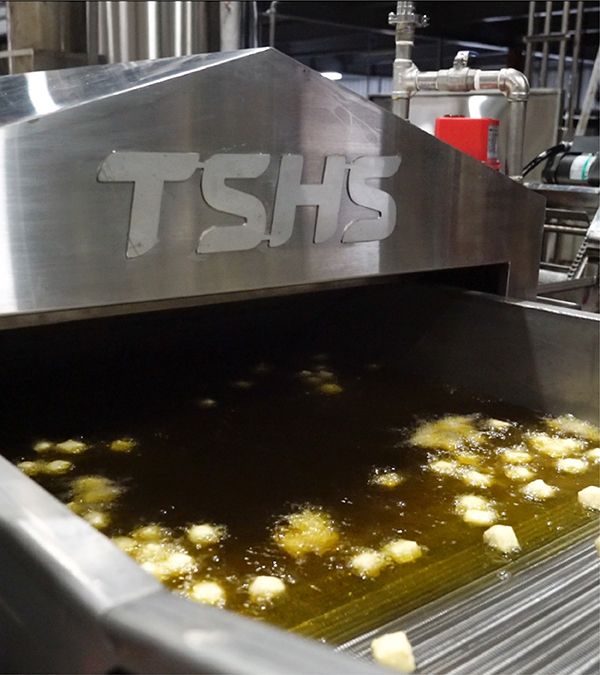
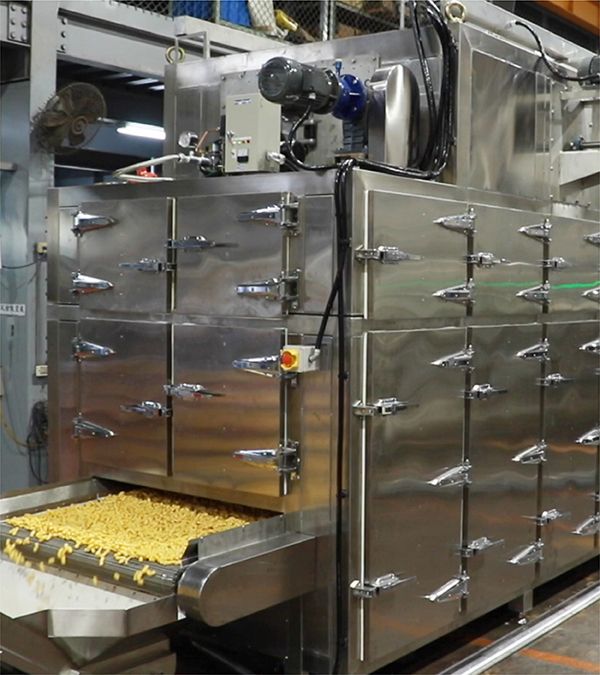
FRYIN-201 Small-size Continuous Fryer
Enter the continuous production market at an affordable price. The "small volume, space-saving" FRYIN-201 fryer. Suitable for small food industry, central kitchens, restaurants, food stores, schools, etc.
 Download
 Over 50 Years of Deep Fryer Machine | Snack Food Processing Equipment & Turnkey Project Supply | TSHS
Based in Taiwan, since 1965, TSUNG HSING FOOD MACHINERY CO., LTD. is a food processing equipment supplier in snack foods industry.
500 food processing production lines sold in 65 countries, TSHS is a food machine expert with over 60 years of experiences. CE certified, reasonably priced food processing machinery are industrial fryers, oil heating systems, seasoning tumblers, liquid mixer machines, liquid sprayer machines, etc.
TSHS has been offering customers high-quality food processing machines for green peas, nuts, potato chips, grain puffs and corn puffs, with total snack foods solutions. They represent trust, specialty, high-quality and safety specialization, which is where their name TSHS came from.